








ABOUT THE GAME
About Xytrian Runner
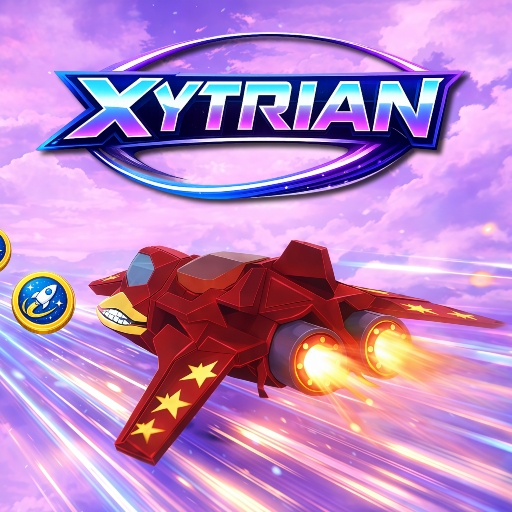
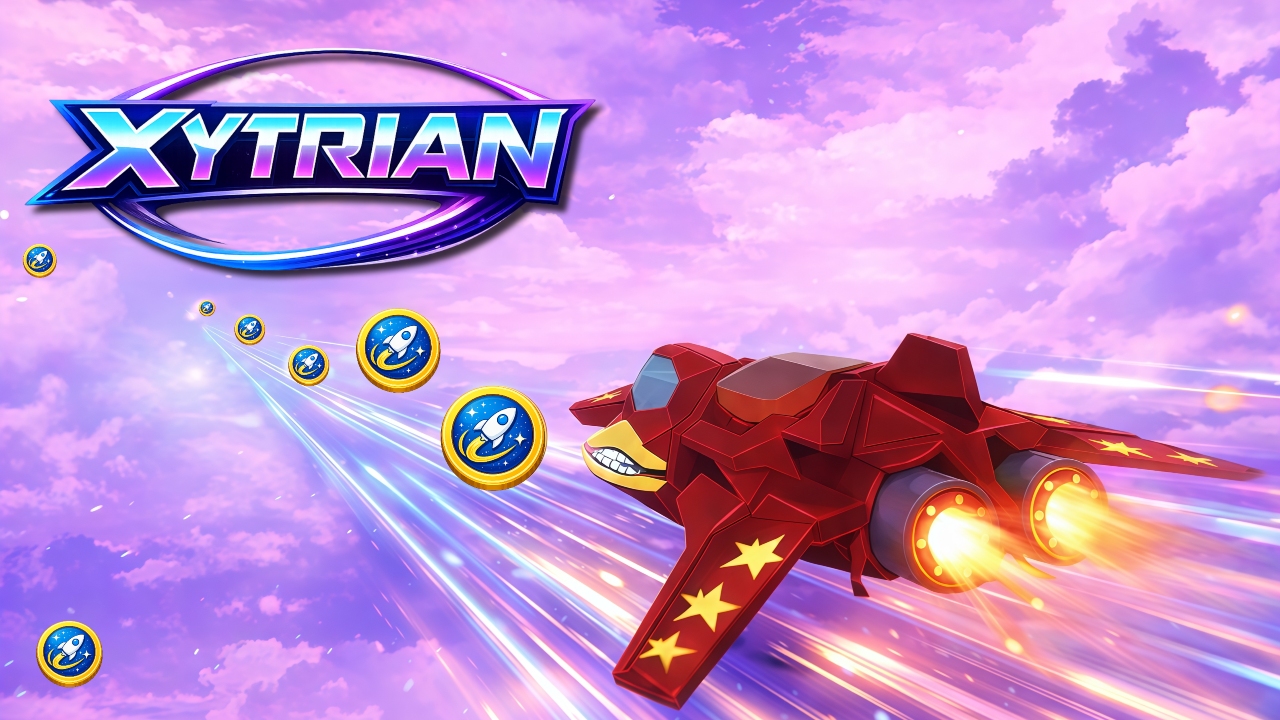
Xytrian is an endless flight runner where you pilot a spaceship through a dangerous course. Dodge obstacles, score points, and survive as long as you can! Click to control your shuttle and hit the timing perfectly! Only precise altitude changes will let you overcome the obstacles ahead.
QUICK FACTS
- Category
- Racing
- Platform
- Browser (PC & mobile)
- Control
- Click and hold anywhere on screen to make your spaceship gain altitude.
- Orientation
- Landscape
- Developer
- LUCKY TRY
CONTROLS
Control
Click and hold anywhere on screen to make your spaceship gain altitude.
Control
Release to let it descend.
Control
The spaceship moves forward automatically - your only task is managing its vertical position.
Control
Watch for obstacles coming and adjust your altitude to thread through gaps.
SCREENSHOTS
In-Game Screenshots

Why Xytrian Runner Keeps Pulling Players Back
Xytrian is an endless flight runner with a single elegant control: click and hold to rise, release to descend. Your spaceship flies forward automatically through a dangerous course, and your only job is managing its altitude - precisely, continuously, and under ever-increasing speed. It is the simplest possible input and a surprisingly deep skill test.
The appeal is the purity of the challenge. With only one control, every failure is clearly your own - you held too long, released too soon, misjudged the gap. That clarity makes the game addictive: the next run is always a chance to correct exactly what went wrong. The spaceship aesthetic and clean visuals keep the focus on the flying, and the progressive speed increase keeps the pressure climbing.
It is also a perfect high-score game. There is no end, only distance - and every run is a chance to beat your best. The quick restart means a failure costs seconds, not minutes, which keeps the loop tight: fly, crash, restart, fly further.
What a Deep Run Looks Like
A deep run in Xytrian is a long series of precise altitude adjustments. The loop is: watch the obstacles coming, adjust your altitude with clicks and releases, thread the gaps, and survive as the speed climbs and the reaction time shrinks.
| Phase | What is happening | What to control |
|---|---|---|
| Read | The obstacles ahead | The gap’s height |
| Adjust | Click and hold | Rising toward it |
| Release | Letting go | Descending through it |
| Thread | The gap | The precise moment |
| Survive | Speed climbs | Faster reactions |
The key skill is altitude precision. The ship responds to how long you hold and how long you release - the timing of your input is everything. The best runs feel like a rhythm: hold, release, hold, release, with each adjustment exactly the size the gap requires.
Clicking, Holding, and Managing Altitude
The controls are one gesture: click and hold anywhere on screen to make your spaceship gain altitude, release to let it descend. The spaceship moves forward automatically - your only task is managing its vertical position.
| Control | Action | When it matters |
|---|---|---|
| Click and hold | Gain altitude | Rising to the gap |
| Release | Descend | Dropping through it |
| Adjust | Fine control | The precise altitude |
| Restart | Instant retry | After every collision |
The beauty of the control is its directness. There is no steering, no speed control, no buttons to remember - just the vertical position, and every millisecond of input translates directly into flight. The depth comes from the timing, not the interface.
Techniques That Turn a Run Into a Record
- Make small adjustments. Big input swings are hard to correct; small, frequent adjustments stay precise.
- Read the gaps early. The obstacles approach faster than you think - start adjusting before they arrive.
- Find the rhythm. The best runs feel like a pulse - hold and release in a steady cadence.
- Learn the patterns. The obstacle types repeat; knowing each one’s required altitude makes the timing obvious.
- Restart without frustration. Every collision is a lesson, and the retry is instant.
Mistakes That End a Run
The most common mistakes in Xytrian come from input management. Holding too long overshoots the gap and clips the top. Releasing too early undershoots and clips the bottom. And reacting late - adjusting as the obstacle arrives instead of before - leaves no time to reach the correct altitude.
| Mistake | Why it crashes | The fix |
|---|---|---|
| Overholding | Overshoots the gap | Release sooner |
| Early release | Undershoots it | Hold a moment longer |
| Late reactions | No time to adjust | Read ahead |
| Big swings | Uncontrollable altitude | Small adjustments |
The Endless Flight and the Personal Best
Xytrian is a game reduced to its essence: one control, one goal, endless challenge. The progressive speed keeps the skill ceiling rising, the instant restarts keep the loop tight, and the distance-based scoring gives every run a number to beat. It is the kind of game where the first minute teaches you the control and the next hour teaches you the mastery - and where the only limit is how precisely you can fly.
The game is also honest about its difficulty. Because the input is a single gesture, there is nowhere to hide a mistake - every collision is a direct consequence of how you held or released. That honesty is exactly what makes the game fair to chase: the same input that ended your last run is the input that will extend your next one, and the skill transfers run after run. Practice is the entire progression, and the ship’s clean, readable feedback makes that practice effective. Sessions fit perfectly into short breaks, the high score is always visible as a target, and the escalating speed means the challenge never ends - only your altitude does.